
Article By Alpine Engineering
Machine guarding is a foundational component of industrial safety systems, designed to protect operators from the mechanical hazards of moving machinery. In environments where workers interact with high-speed or high-force equipment, machine guarding not only prevents injury but also improves operational efficiency and regulatory compliance. Engineers must consider a variety of guarding solutions based on machine configuration, exposure levels, maintenance requirements, and workflow integration. This article provides a detailed overview of the primary types of machine guards, along with key engineering considerations for effective safeguarding.
What Is Machine Guarding?
Machine guarding refers to the physical barriers, control systems, or sensor-based safety measures that prevent or minimize worker exposure to hazardous mechanical motion. These hazards can include rotating shafts, shearing points, cutting tools, crush zones, or material ejections. The objective of guarding is to prevent accidental contact, mitigate the risk of injury, and reduce the potential for operational downtime.
Types of Machine Guards
Fixed Guards
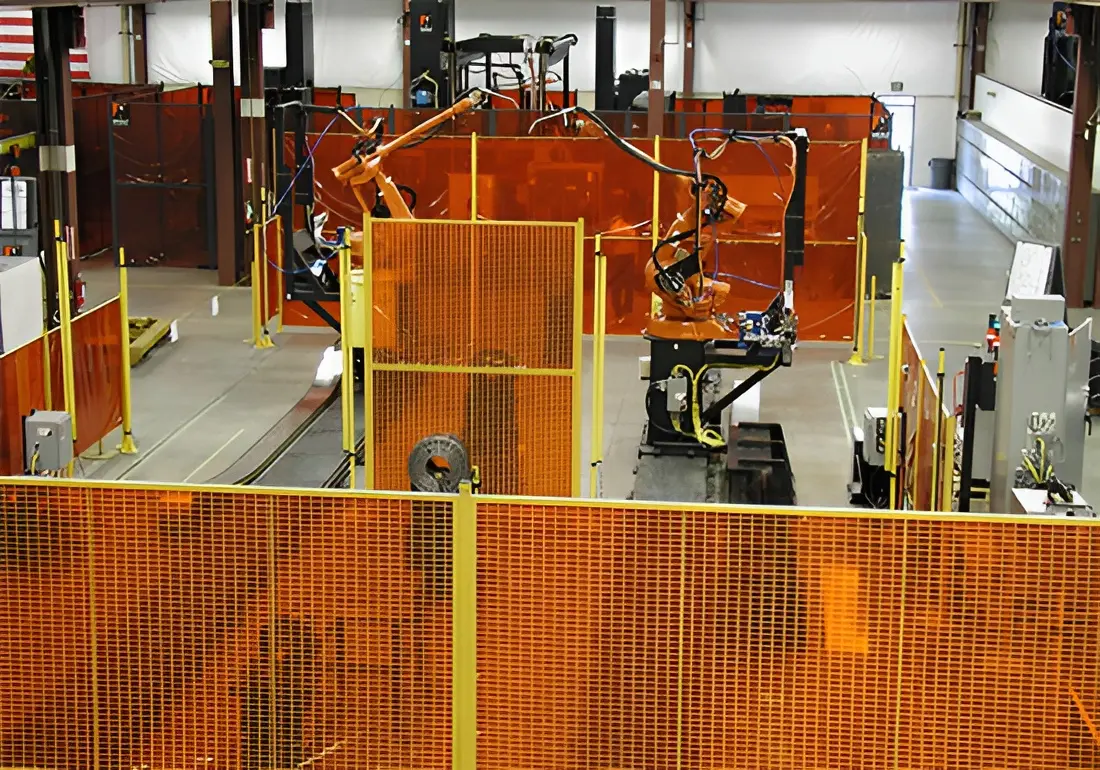
Weld curtain fixed perimeter guarding
Fixed guards are stationary barriers that are permanently attached to the machine structure. They are among the simplest and most reliable forms of protection because they have no moving parts and do not require active engagement by the operator. Typically made from metal panels, expanded mesh, or polycarbonate sheets, fixed guards are used to enclose hazardous areas that do not require frequent access during normal operation.
These guards are common on belt drives, gearboxes, couplings, and rotating shafts—components where the hazard is consistent and the process is largely automated. Because of their permanence, fixed guards are best suited for machines where maintenance access is infrequent. While they are robust and low-maintenance, they can complicate troubleshooting or repairs, requiring temporary removal and proper reinstallation to avoid safety lapses
Interlocked Guards
Interlocked guards provide a dynamic safety mechanism by linking the guard’s position to the machine’s control system. When the guard is opened, moved, or removed, the machine either stops immediately or cannot be started until the guard is secured. Interlocks are commonly mechanical, electrical, or electronic, and are frequently used with enclosures, doors, or access panels that require periodic opening.
This type of guard is ideal for machines where maintenance, tool changes, or part positioning occur regularly, such as robotic cells, CNC machines, or injection molding systems. Interlocked guards offer high levels of protection and user convenience, but their complexity means they require regular validation to ensure system integrity. Improper wiring, sensor misalignment, or intentional bypassing can compromise the effectiveness of the interlock, so adding engineering redundancy and tamper-resistance into the design is crucial.
Adjustable Guards

Adjustable guards are manually configurable devices that allow the operator to change the guard’s position to accommodate different workpieces or processes. These guards are often seen in environments with variable stock sizes or customized machining, such as woodworking, metal milling, or tool grinding.
The primary benefit of adjustable guards is their flexibility. Operators can reposition the guard for each unique task, offering a degree of control not possible with fixed solutions. However, this flexibility introduces variability in safety outcomes, as the guard’s effectiveness relies on correct adjustment every time. Inconsistent settings, user error, or time-saving shortcuts can leave operators exposed to hazards. For this reason, adjustable guards are better suited for skilled labor environments with comprehensive operator training and supervisory oversight.
Self-Adjusting Guards
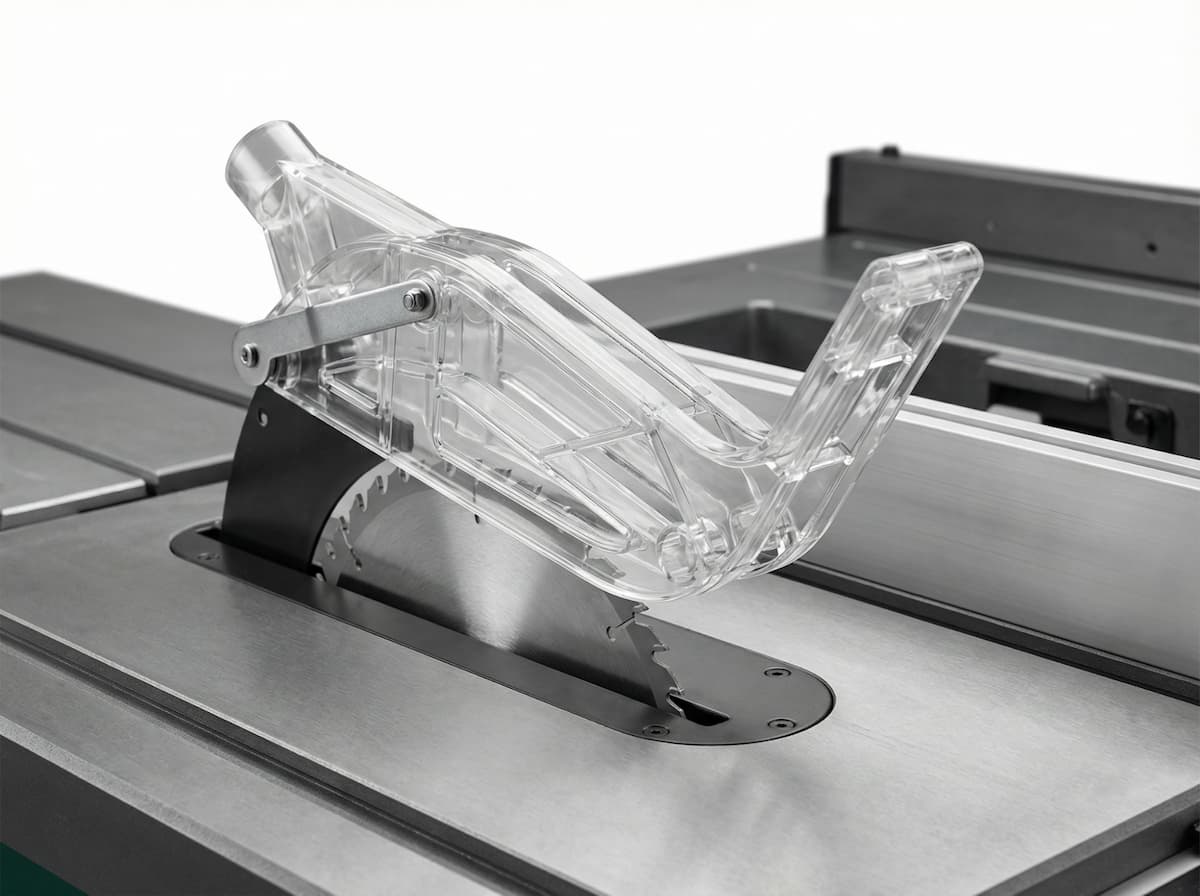
Self-adjusting guards automatically reposition themselves in response to the material entering the machine. These guards are commonly spring-loaded and are found on equipment such as table saws, band saws, or planers. As the workpiece contacts the guard, it retracts just enough to allow material passage and immediately returns to its protective position afterward.
Presence-Sensing Devices
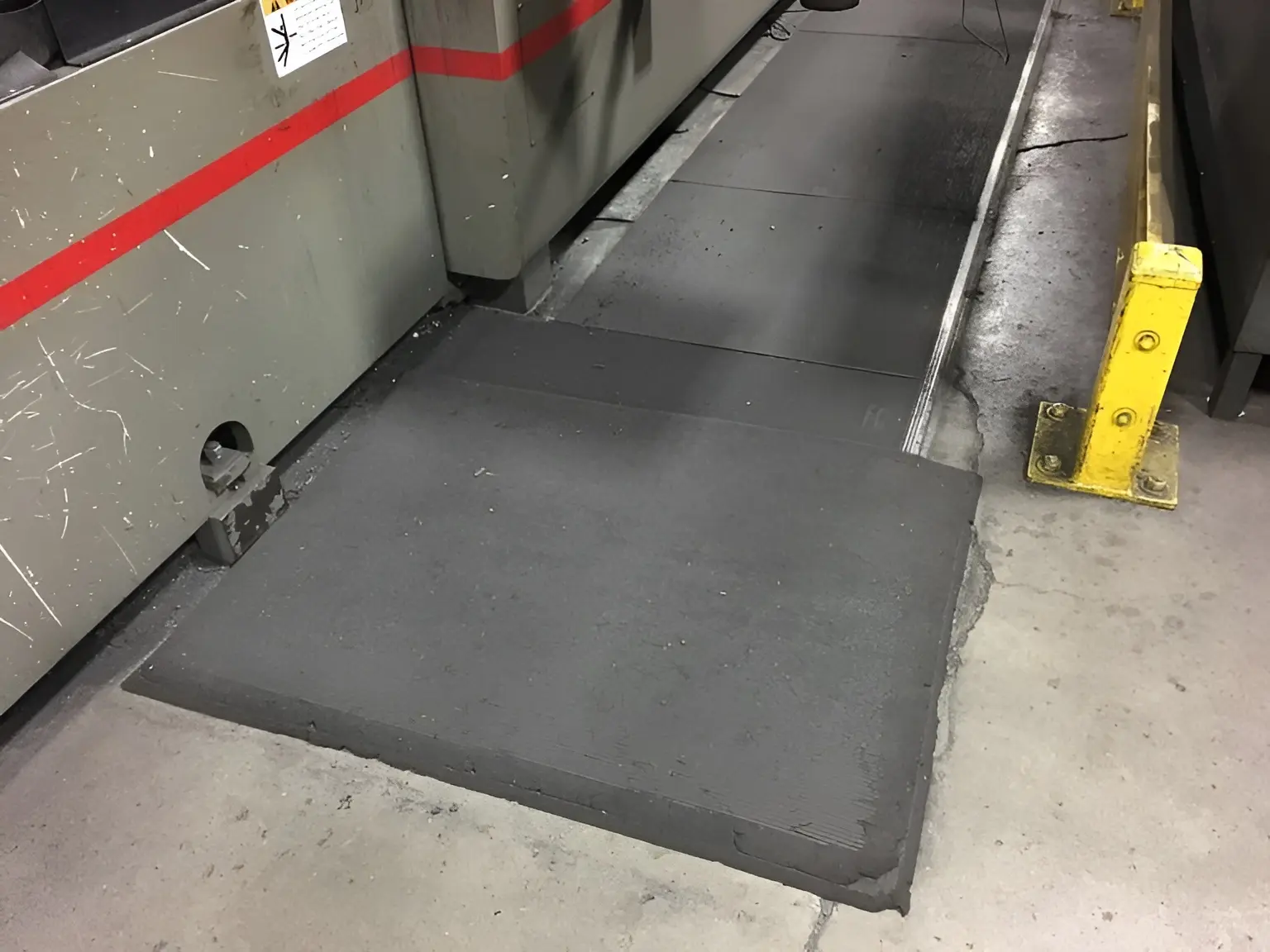
Presence-sensing devices offer a non-contact approach to machine guarding by using sensors to detect the presence of a person or body part within a hazardous zone. These systems include light curtains, laser sensors, pressure-sensitive mats, and infrared or ultrasonic sensors. When intrusion is detected, the system either halts the machine or prevents its operation until the area is clear.
These devices are most commonly used in robotic work cells, automated packaging lines, and pick-and-place systems—any environment where open access to the work area is necessary for process flow. Their biggest advantage is flexibility: they allow clear visibility and free movement around the machine when not in operation, which can be critical in automated or semi-automated workflows.
However, presence-sensing devices come with challenges. They require calibration to avoid false positives (unintended stops due to non-hazardous interference) and false negatives (failure to detect an intrusion). Additionally, they do not provide physical protection against hazards such as ejected parts or tooling malfunctions. Because of this, they are often used in conjunction with partial physical guards or enclosures.
Two-Hand Control Devices
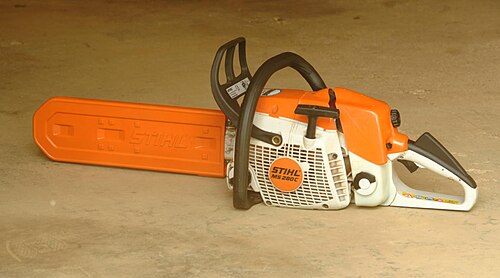
Two-hand control systems require the operator to use both hands simultaneously to start and maintain machine operation. This ensures that the operator’s hands are away from the point of operation during hazardous phases of the machine cycle. These devices are particularly common in mechanical and hydraulic presses, stamping machines, and forming equipment.
By requiring deliberate, coordinated action, two-hand controls reduce the risk of accidental activation and enforce safe positioning. They are typically integrated with time-delayed relays or control logic to prevent operators from using one hand while bypassing the second control point. While highly effective in single-operator scenarios, they are not a comprehensive solution when multiple personnel interact with the same equipment or when other parts of the body could still reach hazardous zones. Therefore, two-hand systems are often supplemented with physical guards for full protection.
Engineering Considerations for Machine Guarding
Risk Assessment and Hazard Identification
Before selecting or designing a guard, engineers must perform a formal risk assessment. This involves identifying the nature of the hazard, the likelihood and severity of potential injury, and the frequency and duration of exposure. Factors like operator skill level, task repetition, and proximity to the hazard are critical in determining the appropriate guarding strategy.
Compliance with Safety Standards
Machine guarding solutions must meet local and international safety regulations. In the U.S., OSHA mandates general requirements under 29 CFR 1910.212, while ANSI and ISO provide more detailed technical standards. Ensuring compliance not only prevents regulatory penalties but also supports insurance claims and liability protection in the event of an incident.
Guard Design and Integration
Whenever possible, guarding should be considered in the machine’s initial design phase rather than as a retrofit. Guards should be designed to complement the operation, allowing necessary access for maintenance while still preventing contact with hazardous parts. Guard materials should be durable, resistant to corrosion or impact, and chosen based on environmental conditions (e.g., humidity, chemical exposure, temperature).
Clear sightlines, ease of use, tamper-resistance, and ergonomic accessibility are all important design principles. Modular guard systems can be helpful in facilities where equipment is frequently reconfigured.
Maintenance and Operator Training
Like any other part of industrial equipment, machine guards require maintenance. Hinges, interlocks, and sensors must be inspected and tested regularly. Loose fasteners, damaged panels, or electrical faults can all degrade a guard’s effectiveness. Operators should receive structured training on the function and limitations of guards, and a clear protocol should be established for reporting issues.
Implementing Effective Machine Guarding in Industrial Design
Engineers must approach guarding not just as a protective feature but as an integral part of system design—balancing safety with productivity, accessibility, and reliability. By understanding the strengths and limitations of each guard type, and by applying engineering best practices, organizations can achieve safer and more resilient industrial operations.